I have been thinking about process a lot and structure lately.
In fragmented times, is it possible to write a cohesive, linear narrative?
For months now, I write and write, and I try to find a thread. The thread largely eludes me but this is to be expected.
When I write fiction, I often throw out first lines until I have a solid line with which to begin.
When I write non-fiction, I make extensive notes and I play around with ideas. I write and re-write, not aware I’m rewriting.
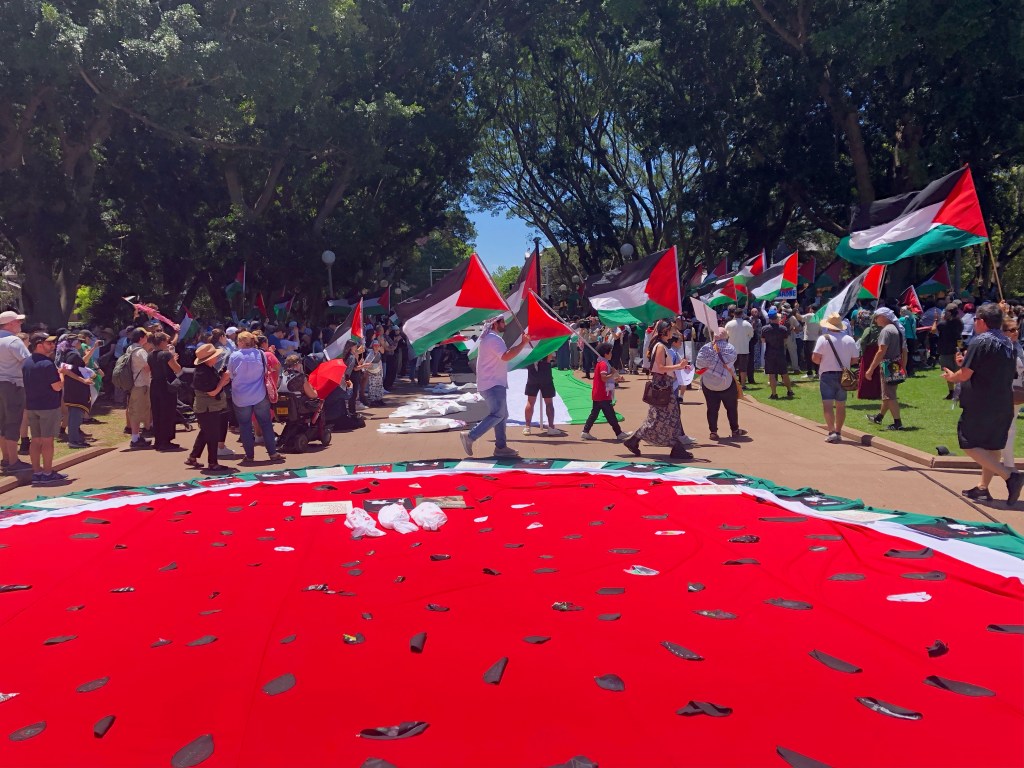
For my essay The Rooster and the Watermelon, these are 2000 words I took from thousands of words I’ve written about Palestine. I mean more than 120 pages worth of words as I’m trying to find the ones that articulate what is in my mind.
I don’t ordinarily write 120 pages worth of words in order to extract 2000 words. It is because of what is happening. It is a shattering of every narrative, every story, every attempt at order. I think about the title Things Fall Apart except they haven’t fallen apart. They’ve shattered, they’re torn asunder.
How does a writer make sense of what she is witnessing? It is through symbols, through the history of Latin America. It is through drawing very different parallels.
I have always believed a rooster is a rooster in fiction. I favour the literal interpretation. There is nothing hidden behind the rooster. I take it at face value but it is symbols in fables and fairytales that help now.
Hence The Rooster and the Watermelon.
My gratitude is to writers of fairytales and fables, people who understand the power of allegory. Sometimes the truth is difficult to speak.
 Yumna Kassab
Leave a comment